Crystals for Depression Support

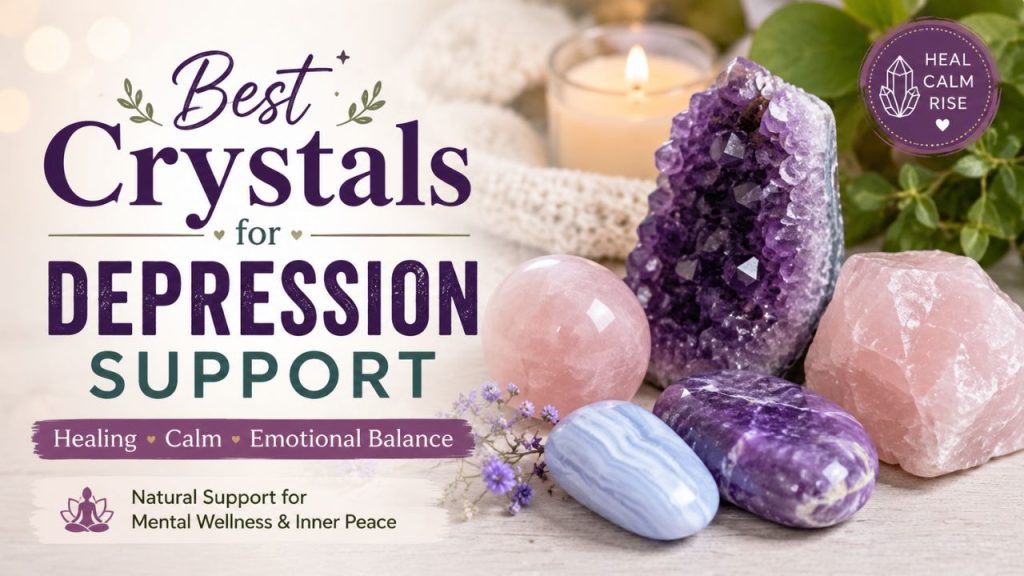
Crystals for Depression Support: 10 Crystals for Comfort, Calm & Emotional Wellness

Crystals for Depression Support are often explored as part of a personal wellness routine for comfort, mindfulness, and emotional grounding. 

While crystals cannot treat depression, some people enjoy keeping them nearby as meaningful reminders to slow down, check in with themselves, and make space for supportive daily habits.

  • Amethyst — often associated with calm and relaxation
  • Rose Quartz — traditionally connected with self-love and compassion
  • Citrine — commonly associated with optimism and positive energy
  • Moonstone — often used as a symbol of emotional balance
  • Clear Quartz — popular for mindfulness and setting personal intentions

Disclaimer: Crystals are not a treatment or cure for depression and should not replace professional mental-health care. They may only be used as a complementary wellness or spiritual practice.

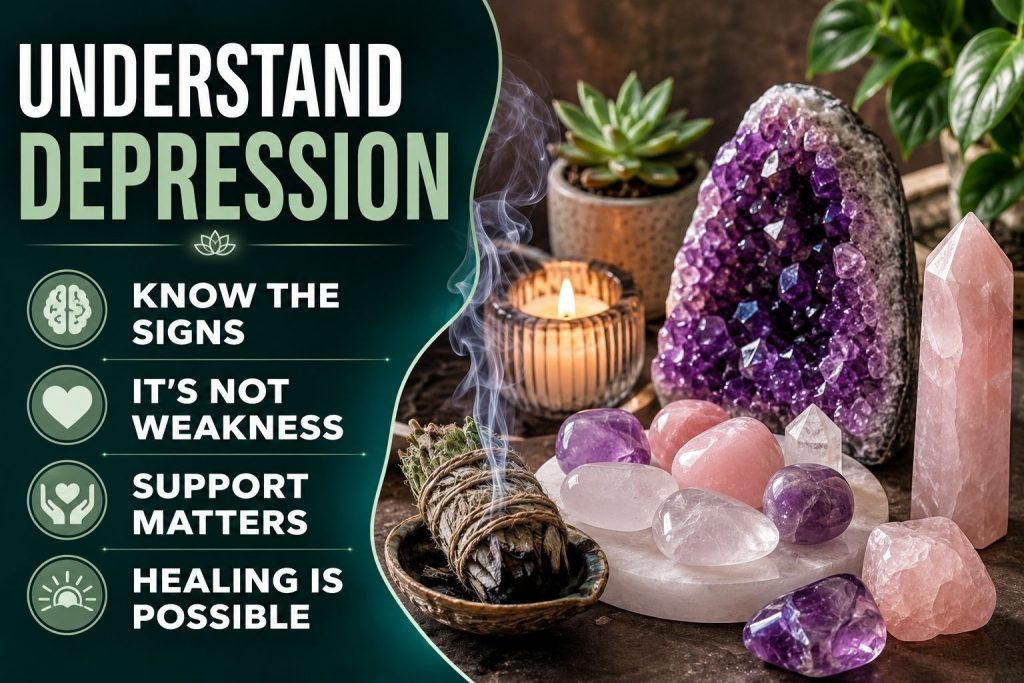
1. Understanding Depression

Depression is more than feeling sad after a difficult day. It is a mental health condition that can affect mood, energy, sleep, concentration, motivation, and daily life.

While everyday sadness often improves with time, depression may persist and interfere with work, relationships, and regular activities.

Common signs may include:

  • Persistent low mood
  • Loss of interest or enjoyment
  • Fatigue or low energy
  • Changes in sleep or appetite
  • Difficulty concentrating
  • Feelings of hopelessness
glintaura

Depression can be influenced by stress, life experiences, loneliness, and health factors. Healthy habits, therapy, mindfulness, and social support can help emotional well-being. 

Crystals may complement these practices but should never replace professional mental health care.

A. What Is Depression?

Depression is a mental health condition that can affect mood, energy, sleep, concentration, motivation, and everyday life. Unlike temporary sadness, symptoms may persist for weeks or longer.

B. Depression vs Everyday Sadness

Sadness is a normal response to stress, disappointment, or loss and often eases with time. Depression tends to last longer and may interfere with work, relationships, sleep, and daily activities.

C. Common Symptoms

  • Persistent low mood
  • Loss of interest or enjoyment
  • Fatigue or low energy
  • Sleep changes
  • Appetite changes
  • Difficulty concentrating
  • Feelings of hopelessness

2. What Are Healing Crystals?

Healing crystals are natural stones traditionally associated with qualities such as calm, positivity, love, and emotional balance. 

Today, many people use them during meditation, mindfulness, and intention-setting.

glintaura

Crystals have also held symbolic and spiritual importance across different cultures:

  • Ancient Egypt — used in jewellery and amulets
  • India — valued in spiritual and traditional practices
  • China — stones such as jade symbolised harmony and virtue
  • Ancient Greece — gemstones carried cultural and spiritual meanings
  • Ayurveda and Reiki — crystals are sometimes incorporated into wellness practices

People exploring crystals for depression support may use them as part of mindfulness or self-care routines. However, these traditional uses should complement, not replace, professional mental health care.

3. Can Crystals Support Emotional Wellbeing During Depression?

Crystals for depression support may have a place in a personal self-care routine, but they are not a treatment for depression.

 Some people find that holding or wearing a crystal helps them pause, meditate, set an intention, or stay connected to a calming daily ritual.

glintaura

Scientific research has not established crystal healing itself as an effective treatment for depression. 

However, practices that may accompany crystal use, such as mindfulness, meditation, exercise, and healthy routines, can support emotional wellbeing.

A. What Crystals Can and Cannot Do

Crystals may serve as:

  • A focus during meditation
  • A reminder to practise self-care
  • Part of an intention-setting ritual
  • A personally meaningful source of comfort

They cannot diagnose, treat, or cure depression and should never replace therapy, medication, or professional mental health care when these are needed.

B. Comparing Different Support Practices

Crystals may support mindfulness and personal rituals, while therapy, appropriate medication, exercise, and mindfulness have stronger scientific evidence for depression support.

PracticeScientific SupportPotential Role
Crystal healingLimitedPersonal rituals
MeditationEvidence-supportedStress management
MindfulnessEvidence-supportedEmotional awareness
TherapyStrongProfessional treatment
MedicationStrong when appropriateClinical treatment
ExerciseStrongMood support

Crystals can complement a wellness routine, but they should not replace evidence-based professional care.

Disclaimer: Crystals are for complementary wellness only and should not replace professional mental health care or treatment.

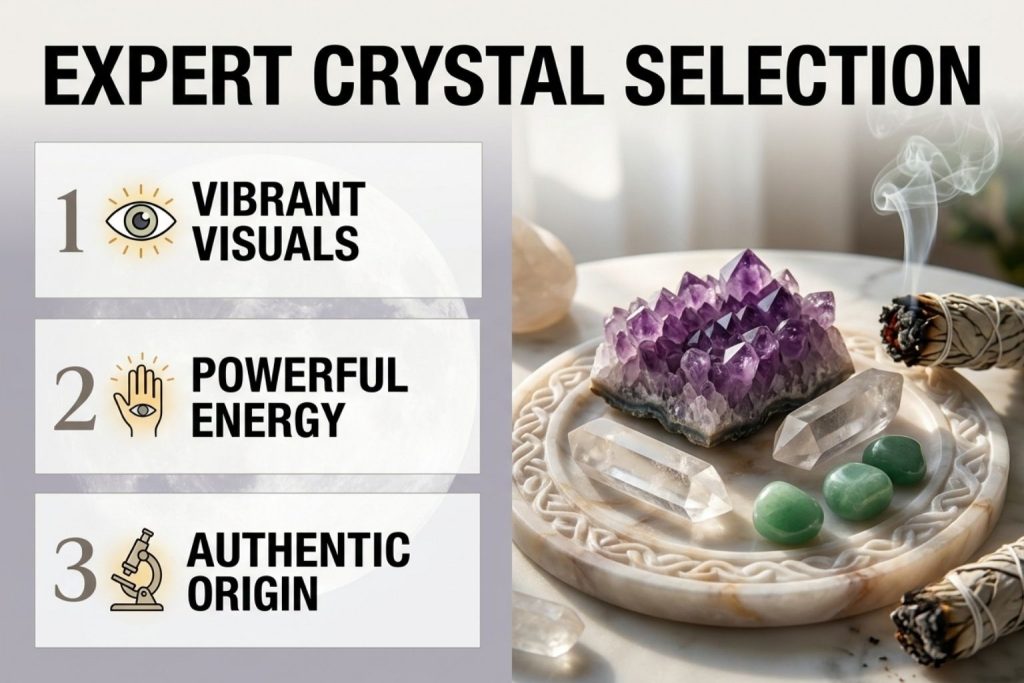
4. How We Selected These Crystals

For this guide to crystals for depression support, we selected stones by looking at their traditional meanings, use in spiritual practices, practicality, and popularity among people who include crystals in their daily wellness routines.

glintaura

Rather than choosing crystals based on exaggerated healing claims, we considered several factors:

  • Traditional associations — stones commonly linked with calm, positivity, confidence, self-love, grounding, and emotional balance.
  • Chakra and Reiki traditions — crystals frequently used in chakra-focused, Reiki, meditation, and energy practices.
  • Customer preferences — popular crystals people often choose for emotional wellness and everyday use.
  • Daily wear — stones suitable for bracelets, pendants, pockets, meditation spaces, or keeping nearby.
  • Durability — practical crystals that can generally handle regular use with appropriate care.
  • Authenticity and quality — preference for genuine, good-quality stones rather than artificial substitutes.
  • Balanced claims — crystals are presented as complementary wellness tools, not treatments or cures for depression.

These factors helped us create a practical and responsible list for anyone interested in adding crystals to a broader self-care or mindfulness routine.

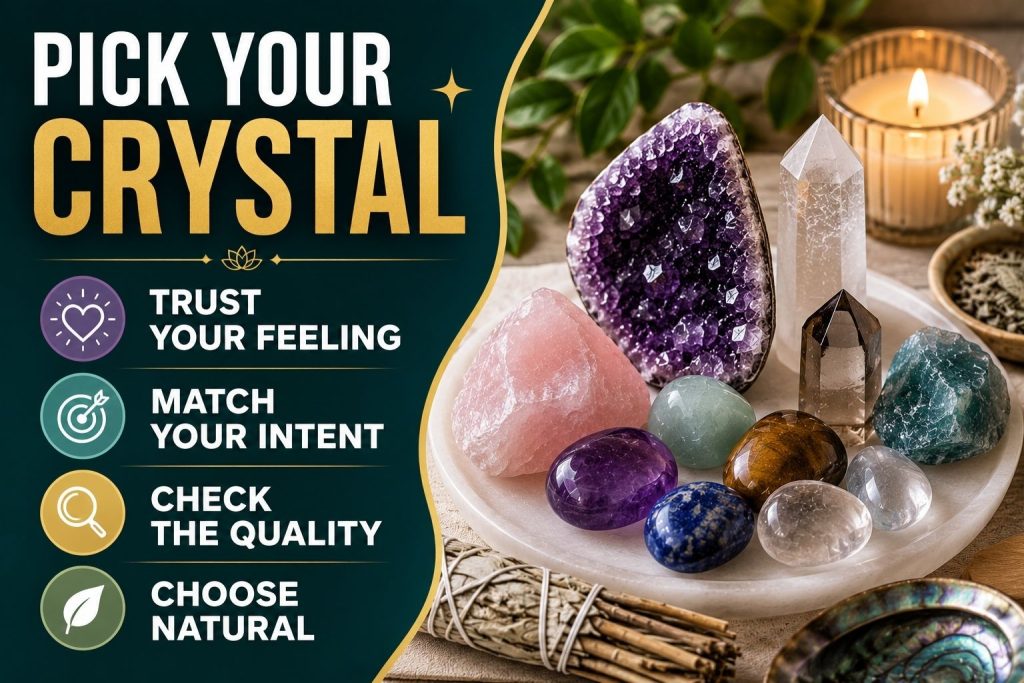
5. How to Choose the Right Crystal

Choosing among crystals for depression support is personal. There is no single crystal that is right for everyone, so consider your intention, lifestyle, and how you plan to use it.

glintaura
  • Emotional intention — choose based on the quality you want to focus on, such as calm, self-love, positivity, confidence, or grounding.
  • Chakra association — if you follow chakra traditions, you may select a crystal traditionally connected with the chakra you want to focus on.
  • Lifestyle — consider whether you want something you can wear, carry, meditate with, or keep at home.
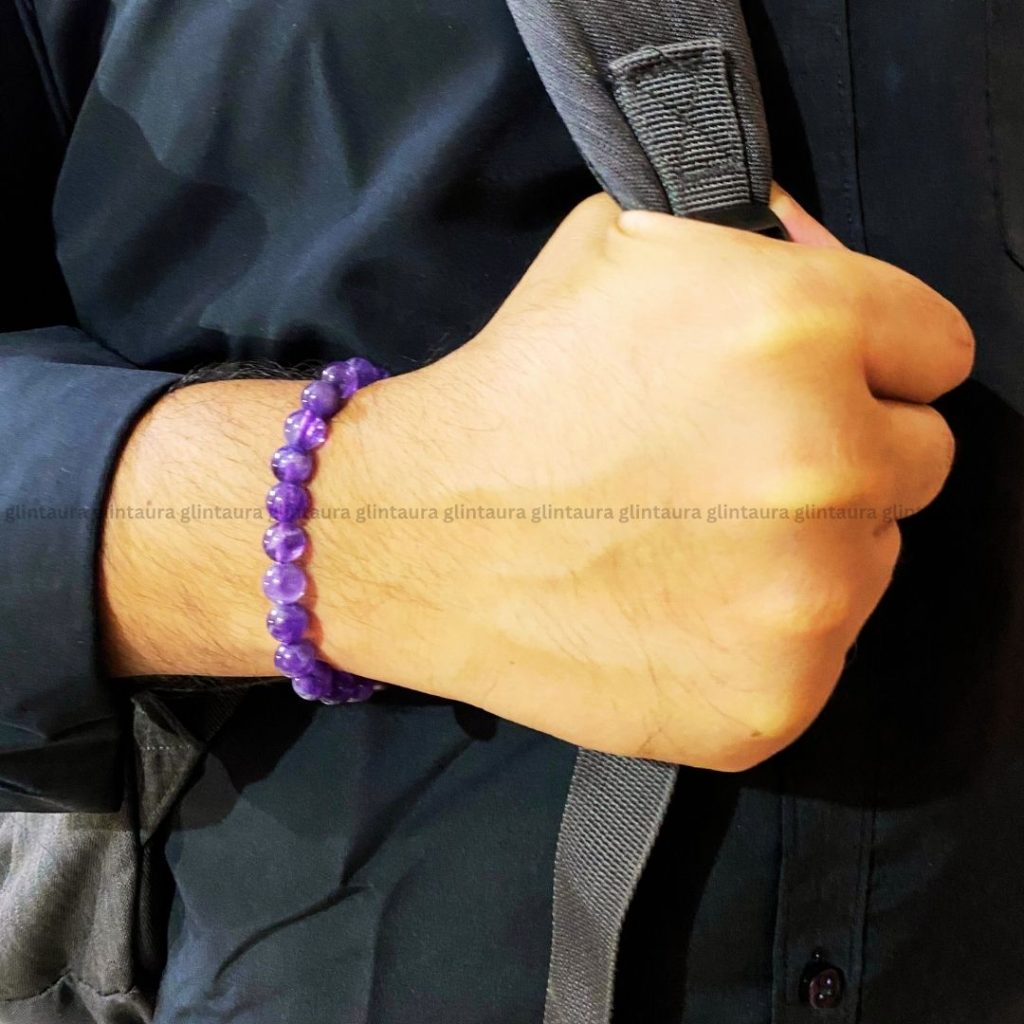
  • Bracelet vs raw stone — bracelets are convenient for daily wear, while raw stones work well for meditation, desks, bedside spaces, or personal rituals.
  • Beginner-friendly crystals — Amethyst, Rose Quartz, Clear Quartz, and Citrine are popular and easy-to-recognise starting choices.
  • Daily wear — consider the stone’s durability, comfort, size, and the care it may require.

Most importantly, there is no universal “best” crystal. Choose one whose traditional meaning and practical use feel most relevant to your personal wellness routine.

6. Quick Crystal Finder

glintaura

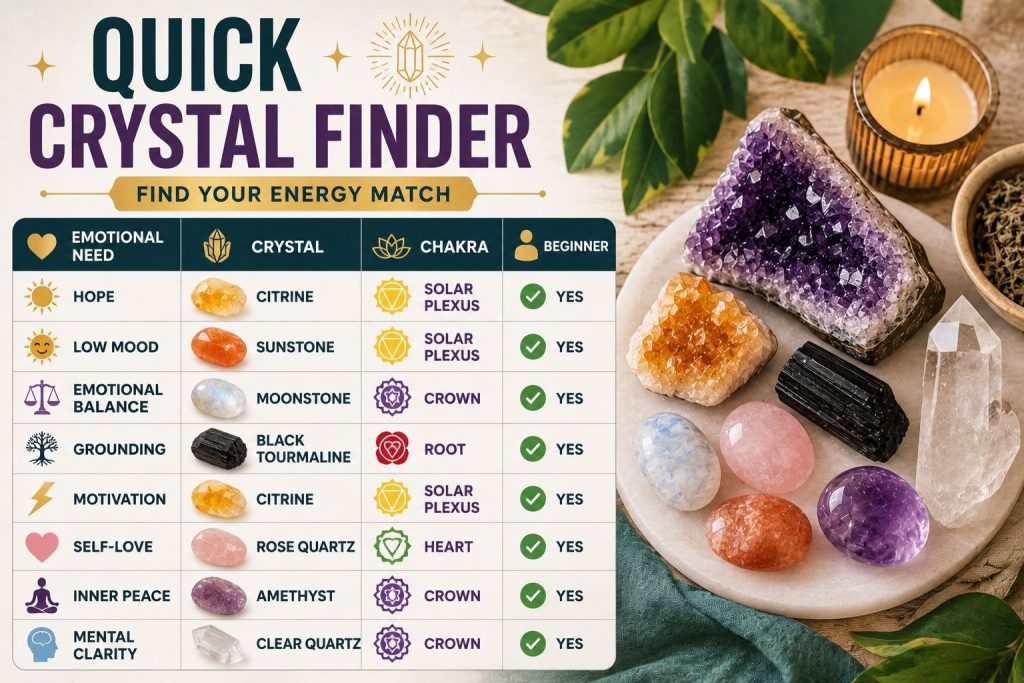
Not sure which crystal to choose? This quick guide matches common emotional intentions with crystals traditionally associated with those qualities.

Emotional IntentionCrystalChakra AssociationBeginner-Friendly
Hope & optimismCitrineSolar PlexusYes
PositivitySunstoneSacral / Solar PlexusYes
Emotional balanceMoonstoneCrownYes
GroundingBlack TourmalineRootYes
MotivationCitrineSolar PlexusYes
Self-loveRose QuartzHeartYes
Inner peaceAmethystCrownYes
Mental clarityClear QuartzCrownYes

There is no universal best choice among crystals for depression support. Choose the stone whose traditional association feels most relevant to the intention you want to bring into your daily self-care routine.

7. 10 Best Crystals Traditionally Associated with Emotional Support

Crystals for Depression Support

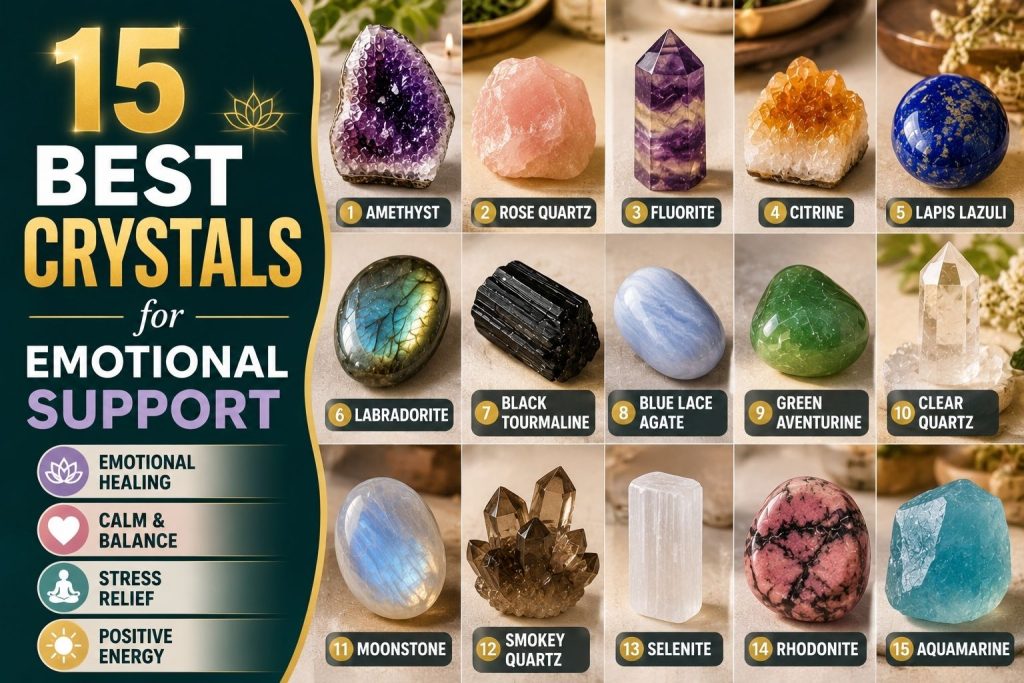
When exploring crystals for depression support, different stones are traditionally associated with calm, positivity, self-love, grounding, and emotional balance. 

These associations come from crystal traditions and are not medical treatments for depression.

1. Amethyst — Calm & Inner Peace

Traditionally associated with calm, relaxation, and spiritual awareness. Amethyst can be held during meditation or worn as a daily reminder to slow down.

  • Chakra: Crown & Third Eye
  • Pairs with: Rose Quartz, Clear Quartz
  • Best for: Calm and mindfulness
glintaura

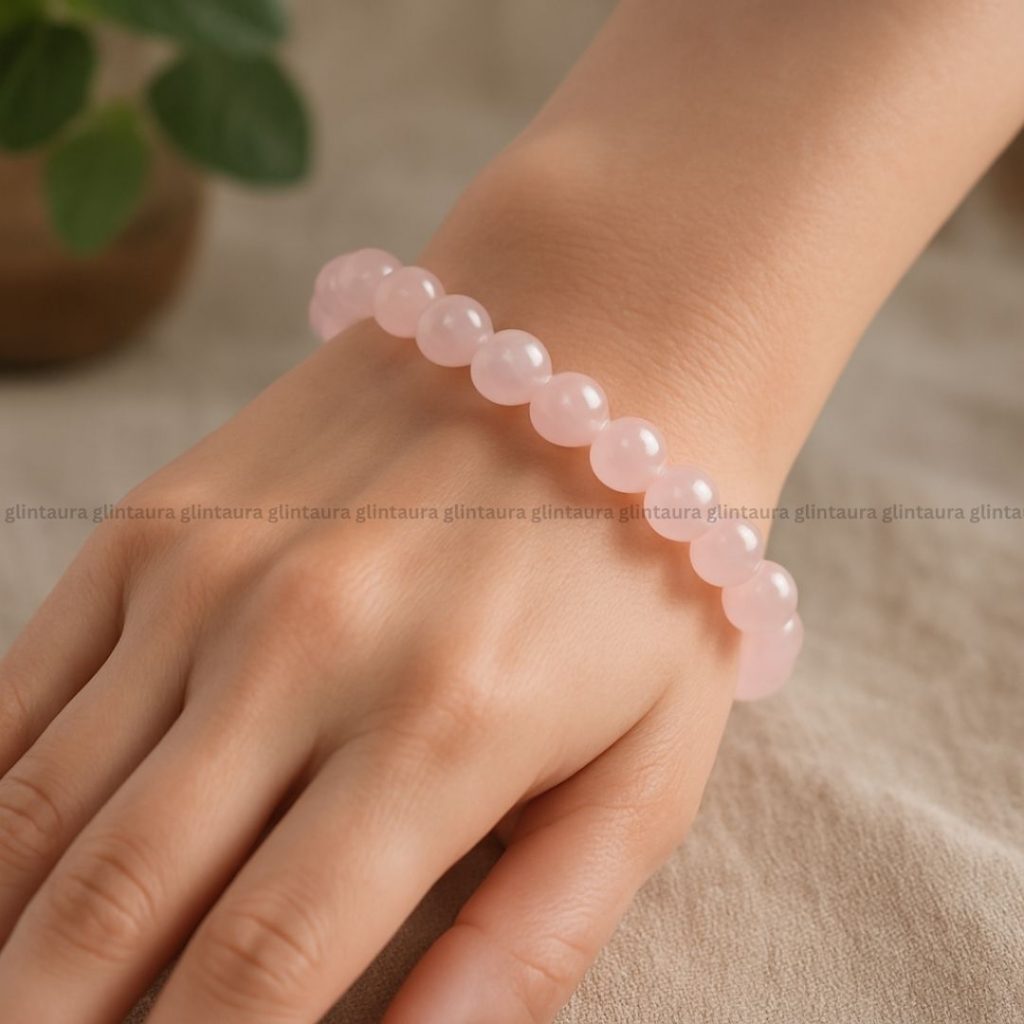
2. Rose Quartz — Self-Love

Known in crystal traditions as a stone of love, compassion, and emotional warmth.

  • Chakra: Heart
  • Pairs with: Amethyst, Moonstone
  • Best for: Self-love and compassion
Rose Quartz Bracelet

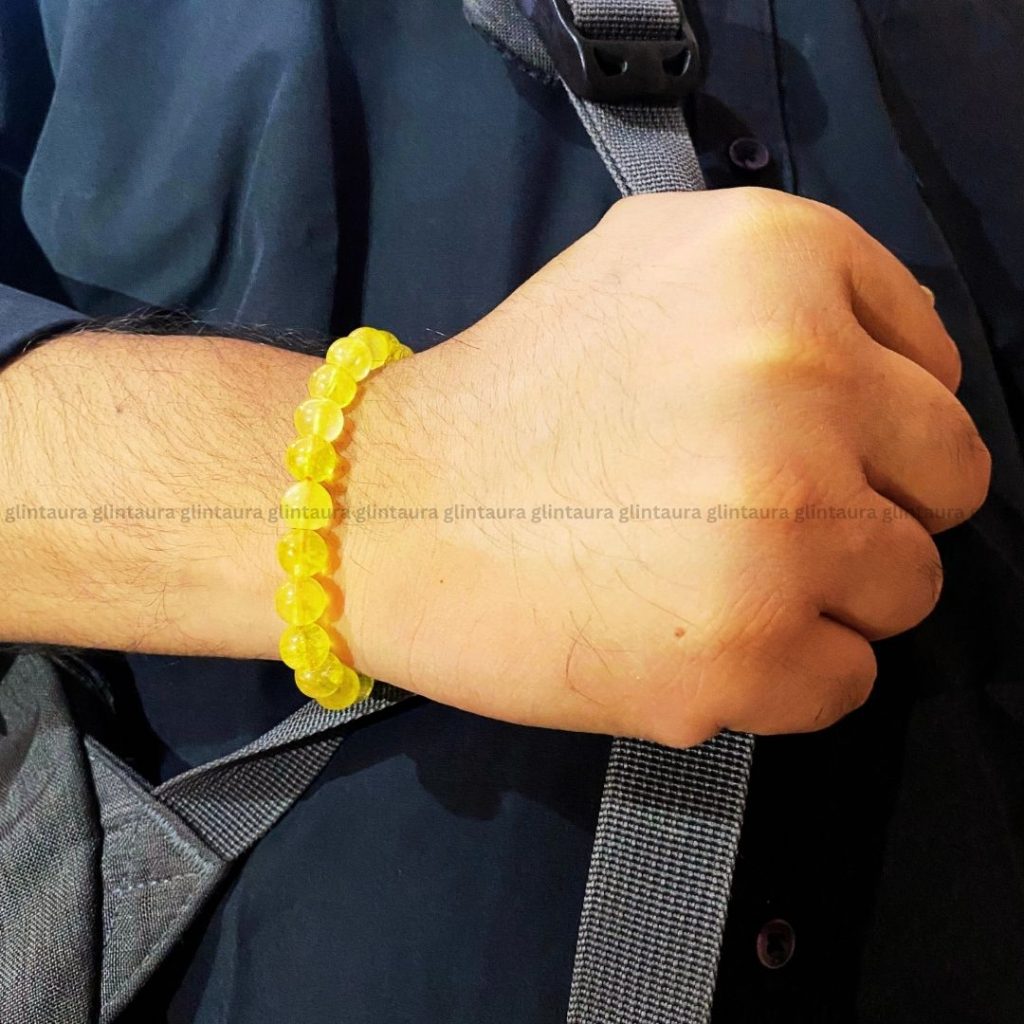
3. Citrine — Optimism & Motivation

Citrine is traditionally associated with positivity, confidence, and motivation, making it popular for morning intention-setting.

  • Chakra: Solar Plexus
  • Pairs with: Green Aventurine, Clear Quartz
  • Best for: Optimism and motivation
Citrine Bracelet

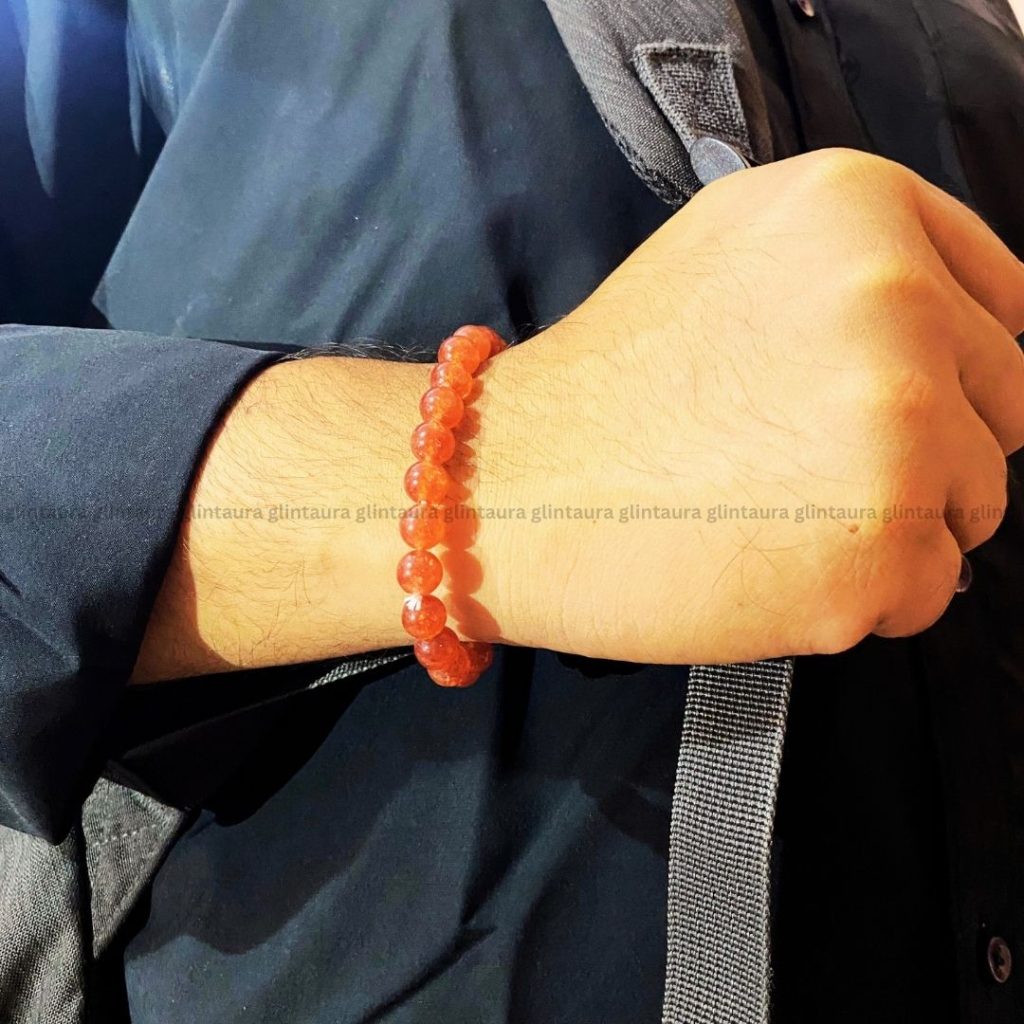
4. Sunstone — Positivity

Sunstone is associated with warmth, confidence, and positive intentions. It can be carried or worn during the day.

  • Chakra: Sacral & Solar Plexus
  • Pairs with: Citrine, Clear Quartz
  • Best for: Positivity and confidence
Sunstone Bracelet

5. Moonstone — Emotional Balance

Moonstone is traditionally connected with intuition, reflection, and emotional balance.

  • Chakra: Crown
  • Pairs with: Rose Quartz, Amethyst
  • Best for: Balance and reflection
Rainbow Moonstone Bracelet

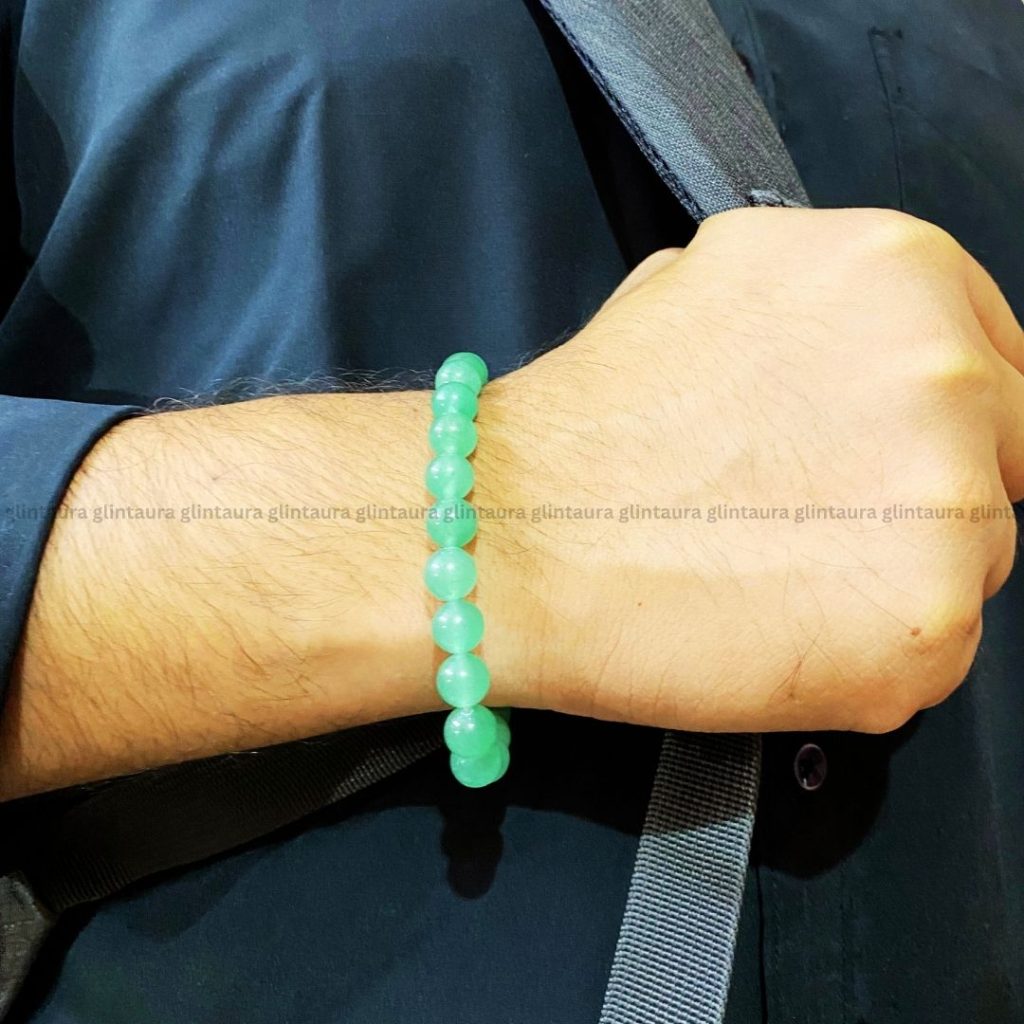
6. Green Aventurine — Growth & Optimism

Green Aventurine is commonly associated with growth, opportunity, and positive change.

  • Chakra: Heart
  • Pairs with: Citrine, Rose Quartz
  • Best for: Growth and optimism
Green Aventurine Bracelet

7. Black Tourmaline — Grounding

Black Tourmaline is traditionally associated with grounding, stability, and protection.

  • Chakra: Root
  • Pairs with: Smoky Quartz, Clear Quartz
  • Best for: Grounding and stability
glintaura

8. Smoky Quartz — Grounding & Reflection

Smoky Quartz is often chosen for grounding and mindful reflection.

  • Chakra: Root
  • Pairs with: Black Tourmaline, Clear Quartz
  • Best for: Grounding and reflection
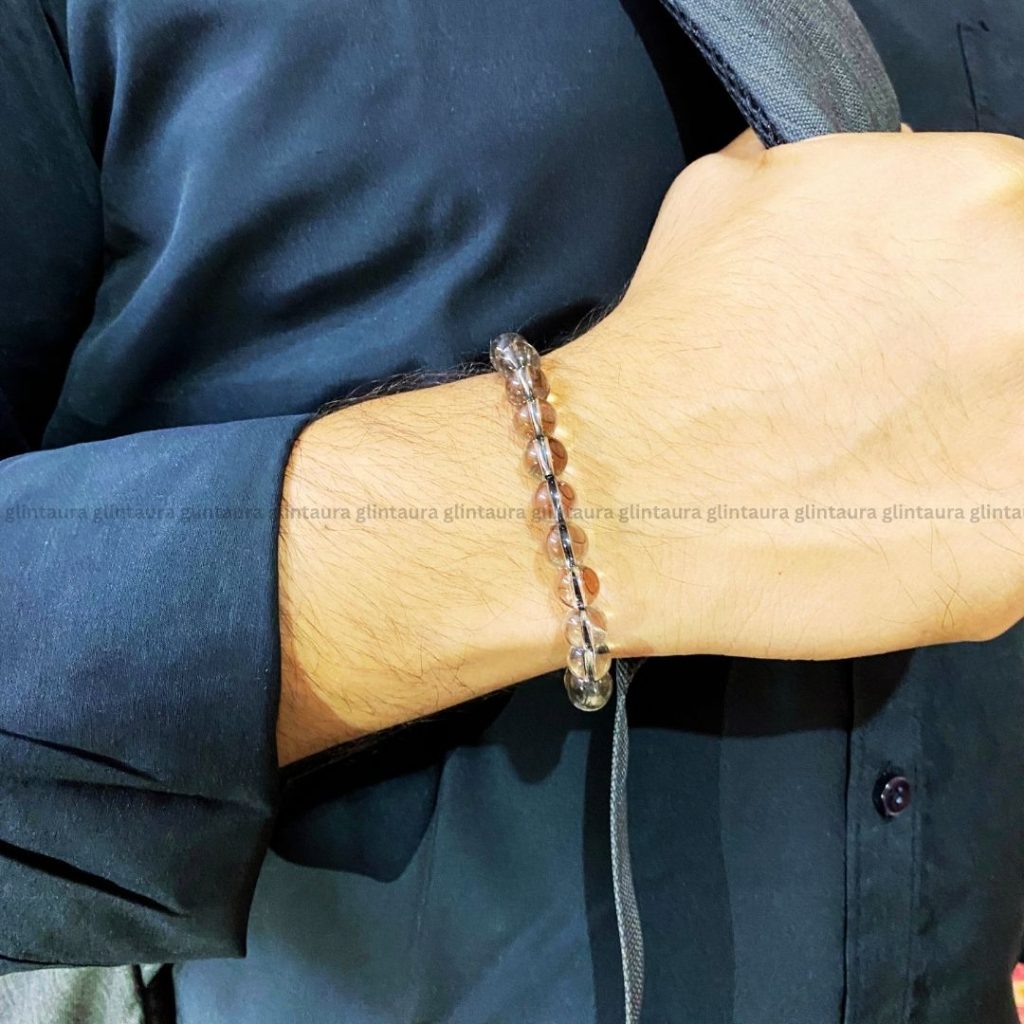
Smoky Quartz Bracelet

9. Clear Quartz — Clarity

Clear Quartz is commonly associated with clarity, focus, and intention-setting.

  • Chakra: Crown
  • Pairs with: Amethyst, Citrine
  • Best for: Clarity and intentions
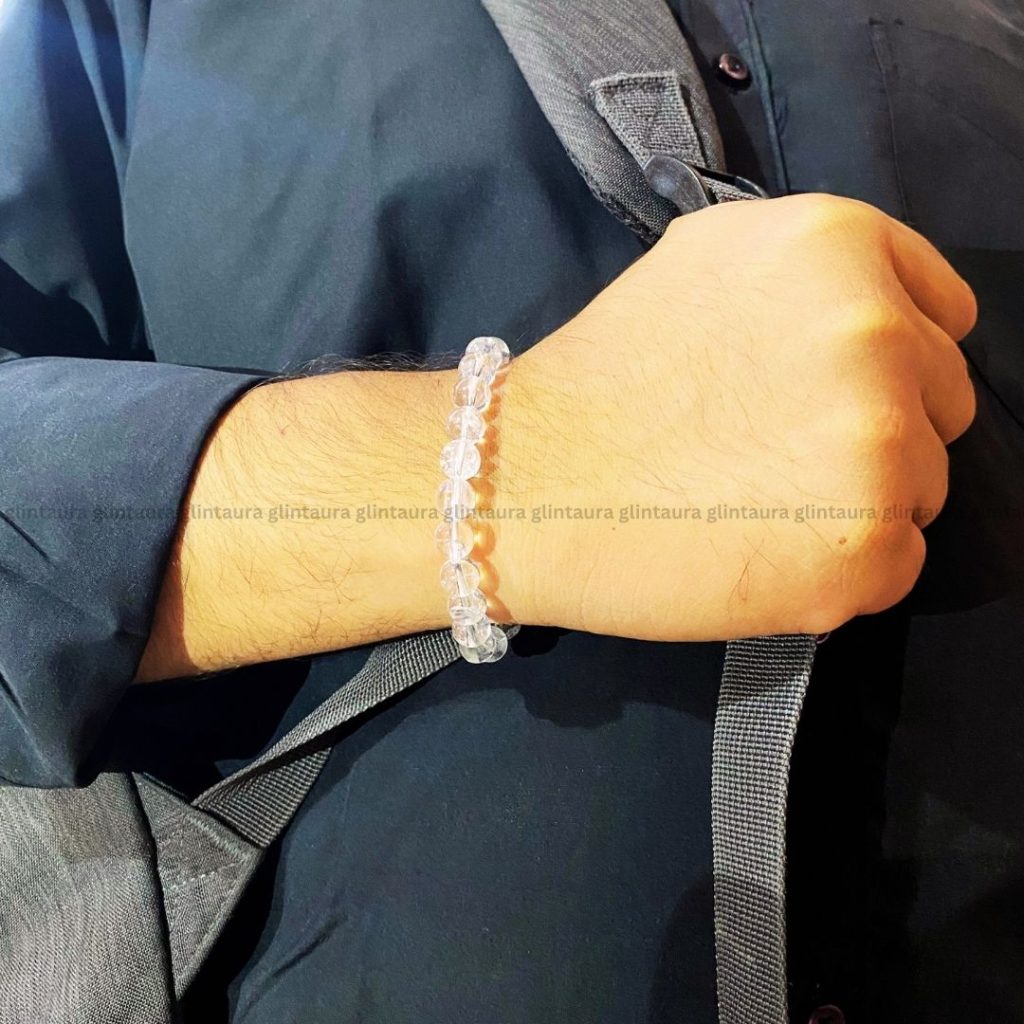
Clear Quartz Bracelet

10. Labradorite — Reflection & Change

Labradorite is traditionally associated with intuition, reflection, and personal transformation.

  • Chakra: Third Eye
  • Pairs with: Moonstone, Amethyst
  • Best for: Reflection and change
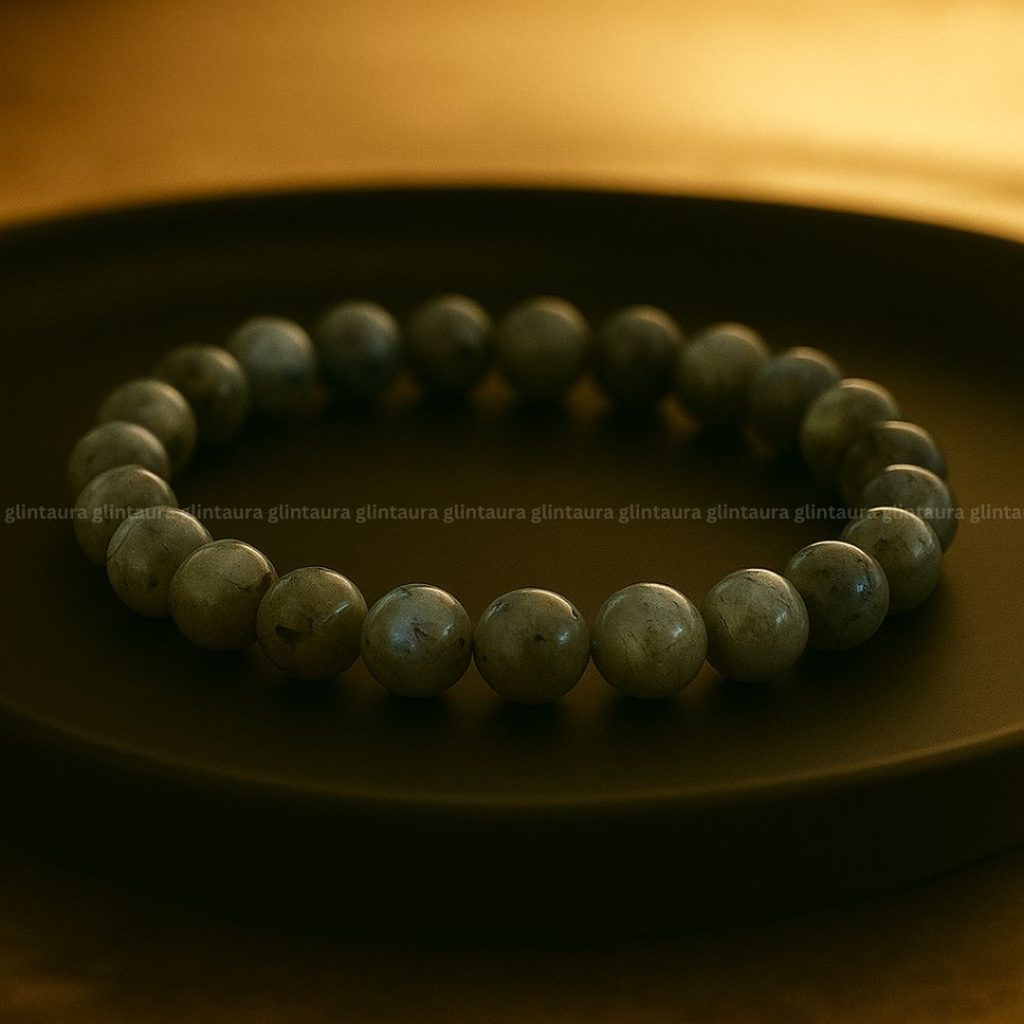
Labradorite Bracelet

Note: Crystal meanings are based on traditional beliefs and wellness practices. Crystals may complement mindfulness and self-care but are not a treatment or cure for depression.

8. Best Crystals for Different Emotional Challenges

When choosing crystals for depression support, consider the emotional intention you want to focus on.

Crystals for Depression Support

Different crystals are traditionally associated with different qualities:

  • Low mood / positivity — Sunstone
  • Hope & optimism — Citrine
  • Emotional fatigue — Amethyst
  • Rest & relaxation — Amethyst
  • Motivation — Citrine
  • Connection & self-compassion — Rose Quartz
  • Calm during stressful moments — Amethyst
  • Grounding during anxious moments — Black Tourmaline
  • Quiet reflection — Smoky Quartz
  • Emotional balance — Moonstone
  • Self-love — Rose Quartz
  • Confidence — Sunstone
  • Bedtime relaxation — Amethyst
  • Emotional renewal — Green Aventurine

These associations come from crystal traditions rather than medical evidence. Choose a crystal based on the intention that feels most meaningful to your personal self-care routine.

9. Best Crystal Bracelets for Emotional Wellbeing

Crystal bracelets are a convenient way to keep a chosen stone close throughout the day.

Crystals for Depression Support

If you are exploring crystals for depression support as part of a broader self-care routine, choose a bracelet based on the emotional intention that matters most to you.

Crystal BraceletTraditional AssociationBest For
Rose QuartzLove & compassionSelf-love
AmethystCalm & peaceRelaxation
CitrineOptimism & confidenceMotivation
LepidoliteCalm & balanceMindful relaxation
MoonstoneBalance & intuitionReflection
SunstonePositivity & confidencePositive intentions
Green AventurineGrowth & optimismNew beginnings
Black TourmalineGrounding & protectionGrounding
Seven ChakraBalanceGeneral wellness
Emotional Wellness CombinationMultiple intentionsEveryday wellness

9A. How to Choose the Right Bracelet

Crystals for Depression Support

Choosing the right bracelet comes down to comfort, lifestyle, and personal preference.

  • 6mm beads — subtle, lightweight, and comfortable for everyday wear.
  • 8mm beads — more noticeable and ideal if you prefer a stronger visual presence.
  • Stretch bracelets — simple to put on and suitable for everyday use.
  • Adjustable bracelets — useful when you want more flexibility in sizing.
  • Office wear — choose simple designs such as Amethyst, Black Tourmaline, or Rose Quartz.
  • Meditation — choose the crystal that matches the intention of your practice.
  • Gifting — Rose Quartz, Amethyst, Citrine, and Seven Chakra bracelets are versatile choices.
  • Men & women — crystals do not need to be gender-specific; choose according to style, fit, and intention.
  • Beginners — Amethyst, Rose Quartz, Clear Quartz, and Seven Chakra bracelets are easy starting choices.

Ultimately, the best bracelet is one that feels comfortable enough to wear regularly and represents an intention that is meaningful to you.

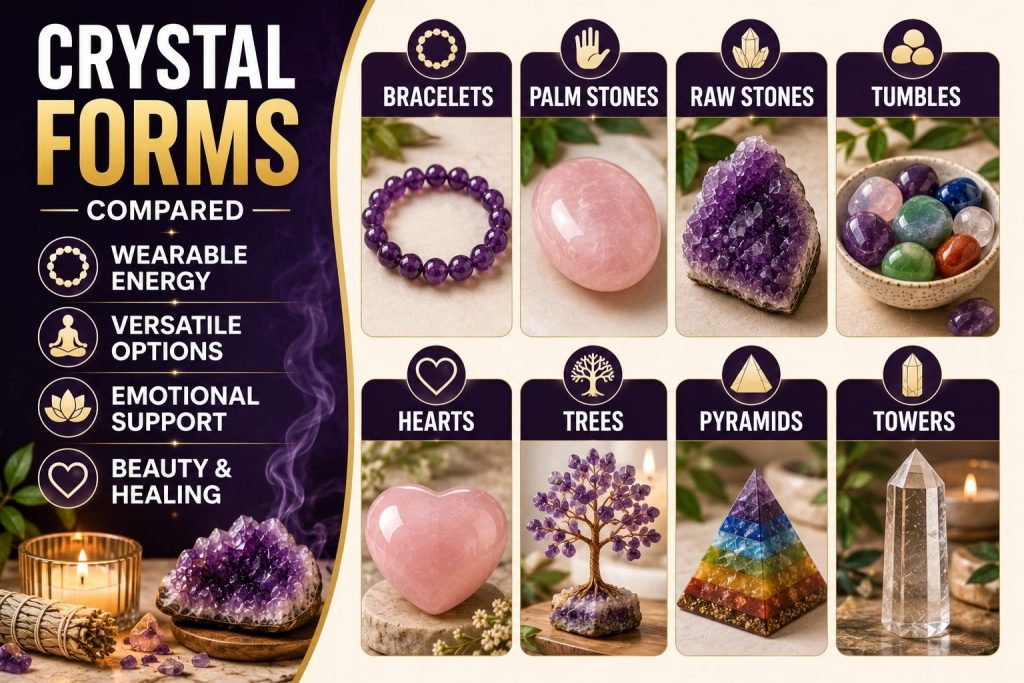
10. Crystal Bracelets vs Other Crystal Forms

Crystals come in many forms, and the best choice depends on how you want to include them in your daily wellness routine.

glintaura

Bracelets are convenient for everyday wear, while other forms may work better for meditation, home décor, or personal rituals.

Crystal FormBest ForEasy to CarryDaily Use
BraceletsEveryday wearYesExcellent
Palm StonesMeditationYesGood
Raw StonesNatural displays & ritualsSometimesGood
TumblesPocket or deskYesExcellent
HeartsGifting & self-love intentionsYesGood
Crystal TreesHome & workspace décorNoGood
PyramidsMeditation spaces & décorNoGood
TowersDisplay & intention spacesSometimesGood

For people who want to keep crystals nearby throughout the day, bracelets and tumbles are among the most practical options. Trees, pyramids, and towers are better suited to creating a dedicated crystal space at home or work.

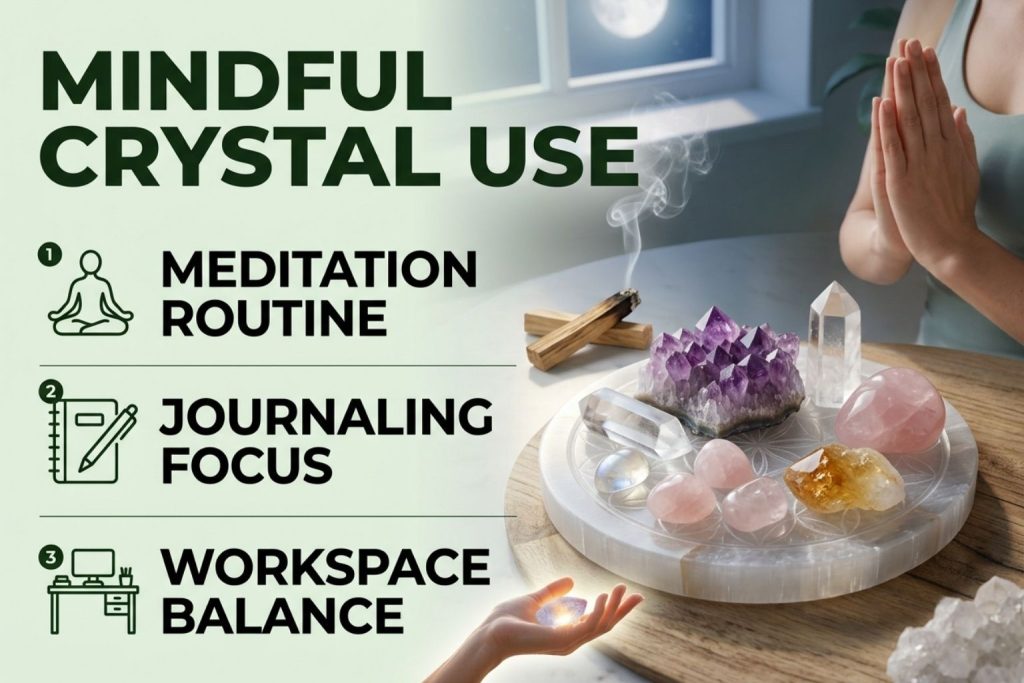
11. How to Use Crystals Mindfully

Crystals for depression support can be incorporated into everyday mindfulness and self-care routines as personal reminders of your intentions.

glintaura

The goal is not to rely on the crystal itself, but to use it as a meaningful part of healthy habits.

  • Morning routine — hold or wear your crystal while setting an intention for the day.
  • Meditation — use a crystal as a physical point of focus while breathing or meditating.
  • Journaling — keep one nearby while writing about your thoughts and emotions.
  • Gratitude — pair your crystal with a daily gratitude practice.
  • Positive affirmations — hold your crystal while repeating realistic, encouraging affirmations.
  • Yoga — place a crystal near your mat as a reminder of your intention.
  • Workspace — keep a tumble or crystal tree on your desk.
  • Bedroom — create a peaceful space with crystals you personally associate with calm.
  • Travelling — carry a tumble or wear a bracelet for a familiar reminder of your mindfulness routine.

Keep the practice simple and personal. Crystals can complement mindfulness and self-care, but they should not replace professional mental health support.

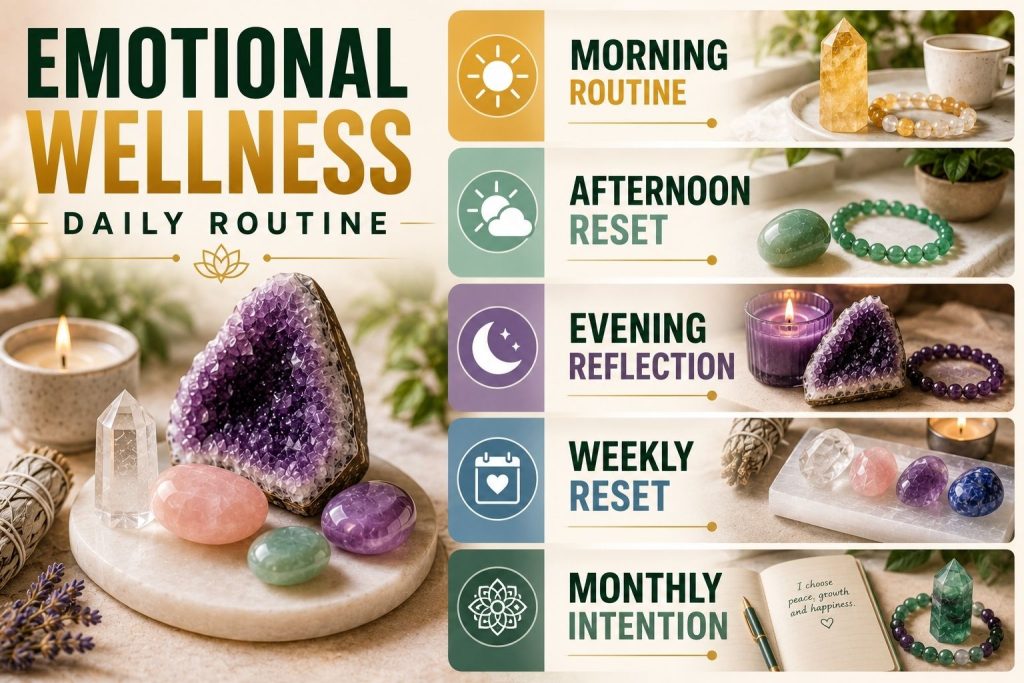
12. Morning & Evening Emotional Wellness Routine

A simple routine can make mindfulness and self-care easier to practise consistently.

Crystals for Depression Support

If you use crystals, let them serve as reminders to pause, reflect, and reconnect with your intentions.

  • Morning routine — take a few deep breaths, choose an intention, and wear or hold your crystal.
  • Afternoon reset — step away for a few minutes, breathe slowly, stretch, or take a short walk.
  • Evening reflection — journal, practise gratitude, or meditate with your chosen crystal nearby.
  • Weekly emotional reset — make time for rest, enjoyable activities, and connection with supportive people.
  • Monthly intention setting — reflect on the past month and choose a realistic intention for the weeks ahead.

Keep your routine flexible. Small, consistent self-care habits are often easier to maintain than complicated rituals.

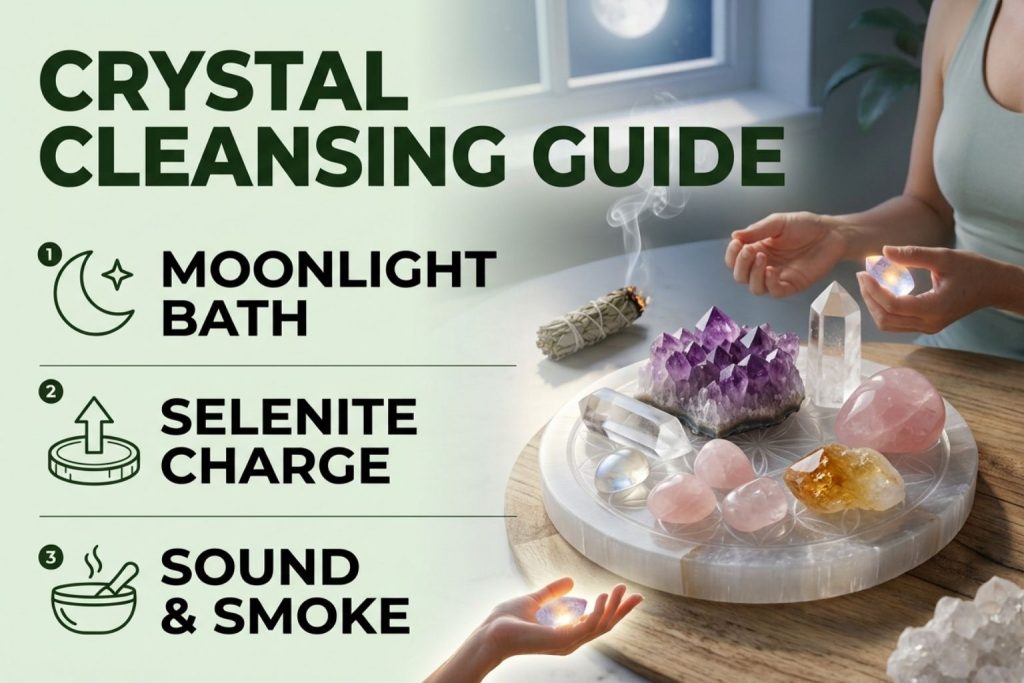
13. Cleansing & Charging Crystals

In crystal traditions, cleansing and charging are rituals used to refresh a crystal and reconnect with your intention. 

Crystals for Depression Support

The right method depends on the type of stone, as some crystals can be damaged by water or prolonged sunlight.

MethodSuitable ForImportant Note
MoonlightMost crystalsGentle overnight method
SeleniteMany crystalsPlace nearby or on a selenite plate
SoundMost crystalsNo direct contact required
SmokeMost crystalsUse safely in a ventilated space
VisualisationAny crystalSimple, contact-free practice
WaterOnly water-safe stonesSome crystals can be damaged
SunlightSelected stonesColours may fade with prolonged exposure

Common Mistakes to Avoid

  • Soaking crystals without checking water safety
  • Leaving colour-sensitive stones in strong sunlight
  • Using harsh chemicals or cleaning products
  • Dropping or scratching softer stones
  • Assuming every crystal requires the same care

When unsure, choose a gentle, contact-free method such as sound or visualisation and follow the care guidance for your specific stone.

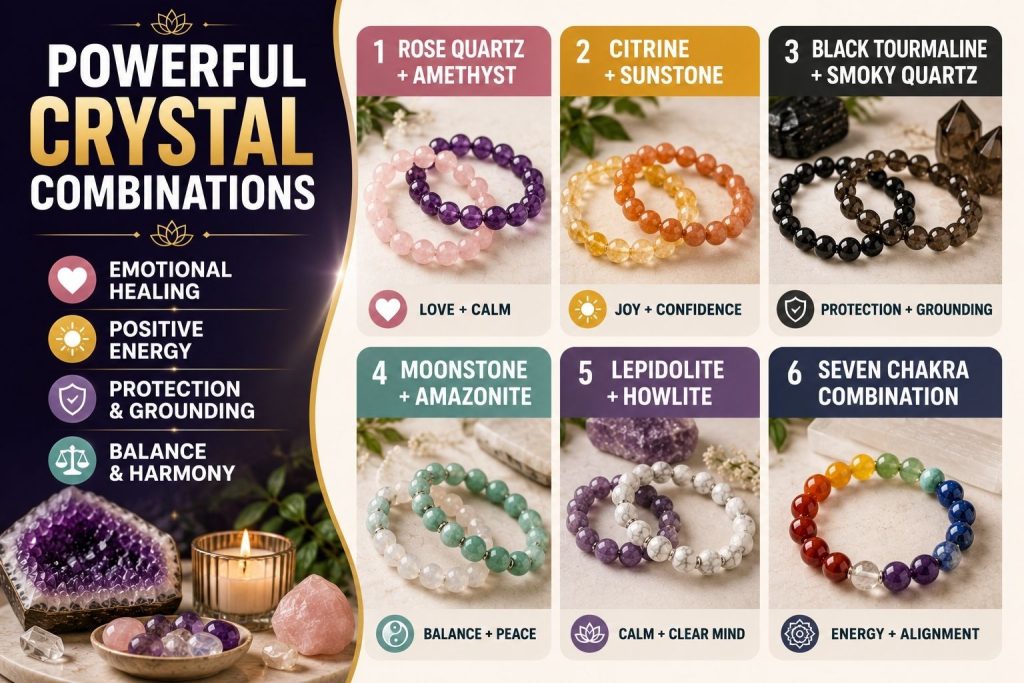
14. Crystal Combinations

Some people prefer combining crystals with complementary traditional meanings.

Crystals for Depression Support

When exploring crystals for depression support, these combinations can be used as part of meditation, intention-setting, or everyday self-care rituals.

  • Rose Quartz + Amethyst — self-love, compassion, and calm
  • Citrine + Sunstone — optimism, confidence, and motivation
  • Black Tourmaline + Smoky Quartz — grounding and stability
  • Moonstone + Amazonite — emotional balance and peaceful communication
  • Lepidolite + Howlite — calm, reflection, and relaxation
  • Seven Chakra Combination — traditionally used for overall balance and alignment

You can wear these combinations as bracelets, carry individual stones, or keep them in your meditation or personal wellness space.

Note: These combinations are based on traditional crystal beliefs and are not treatments for depression or other mental health conditions.

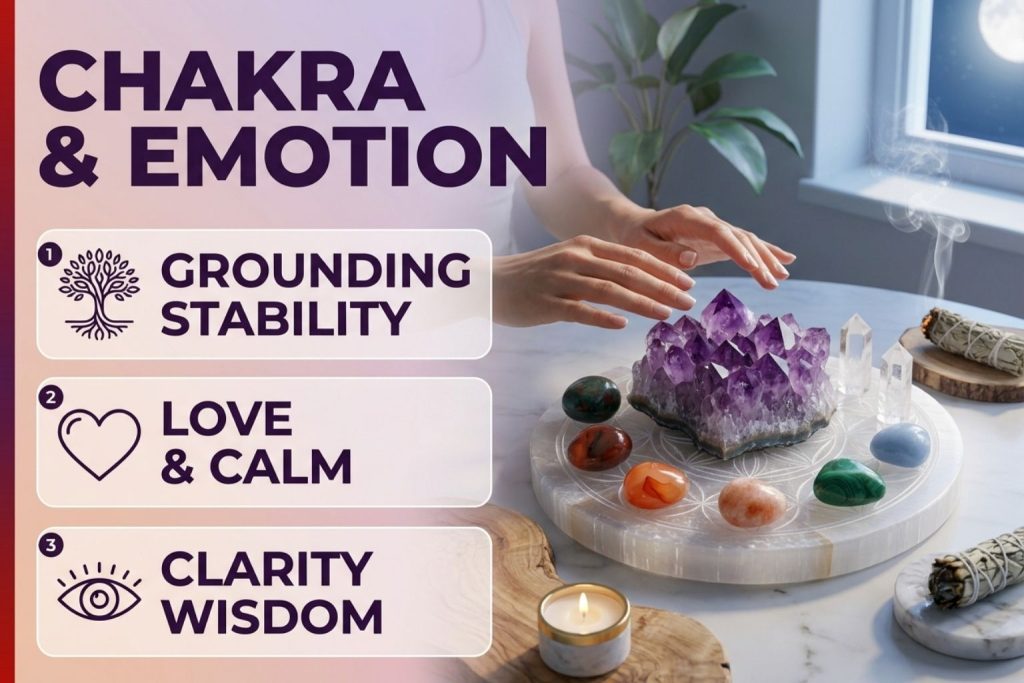
15. Chakras & Emotional Wellbeing

In traditional chakra practices, seven main chakras are associated with different aspects of emotional and spiritual wellbeing.

Crystals for Depression Support

Some people choose crystals according to the chakra connected with their personal intention.

ChakraTraditional AssociationPopular Crystals
RootGrounding & stabilityBlack Tourmaline, Smoky Quartz
SacralCreativity & emotional expressionSunstone, Carnelian
Solar PlexusConfidence & motivationCitrine, Tiger Eye
HeartLove & compassionRose Quartz, Green Aventurine
ThroatCommunication & expressionAmazonite, Lapis Lazuli
Third EyeIntuition & reflectionAmethyst, Labradorite
CrownAwareness & inner peaceAmethyst, Clear Quartz

Scientific Perspective

The chakra system comes from spiritual and philosophical traditions. Modern science has not established chakras as measurable physical structures or shown that balancing chakras can treat depression.

Crystals for Depression Support

However, practices often combined with chakra work, such as meditation, mindful breathing, and reflection, may support general wellbeing. 

For this reason, chakra and crystal practices are best viewed as complementary personal rituals rather than medical treatments.

Disclaimer: Chakra and crystal practices are traditional wellness beliefs and should not replace professional mental health care.

16. Supporting Someone Living with Depression

Supporting someone with depression is about listening, patience, and genuine care.

Crystals for Depression Support

A crystal can be a thoughtful symbolic gift, but emotional and professional support matter much more.

  • Meaningful crystal gift — choose a stone associated with a gentle intention, such as Rose Quartz for compassion or Amethyst for calm.
  • Listen without judgement — give them space to talk without trying to immediately “fix” how they feel.
  • What not to say — avoid phrases like “just be positive,” “cheer up,” or suggesting that crystals alone can make depression disappear.
  • Offer practical support — check in, spend time together, help with everyday tasks, or encourage professional support when appropriate.
  • Beyond crystals — gentle activities, regular meals, movement, rest, social connection, and enjoyable routines may support overall wellbeing.

A thoughtful gift can show someone you care, but your time, understanding, and continued support can be far more meaningful.

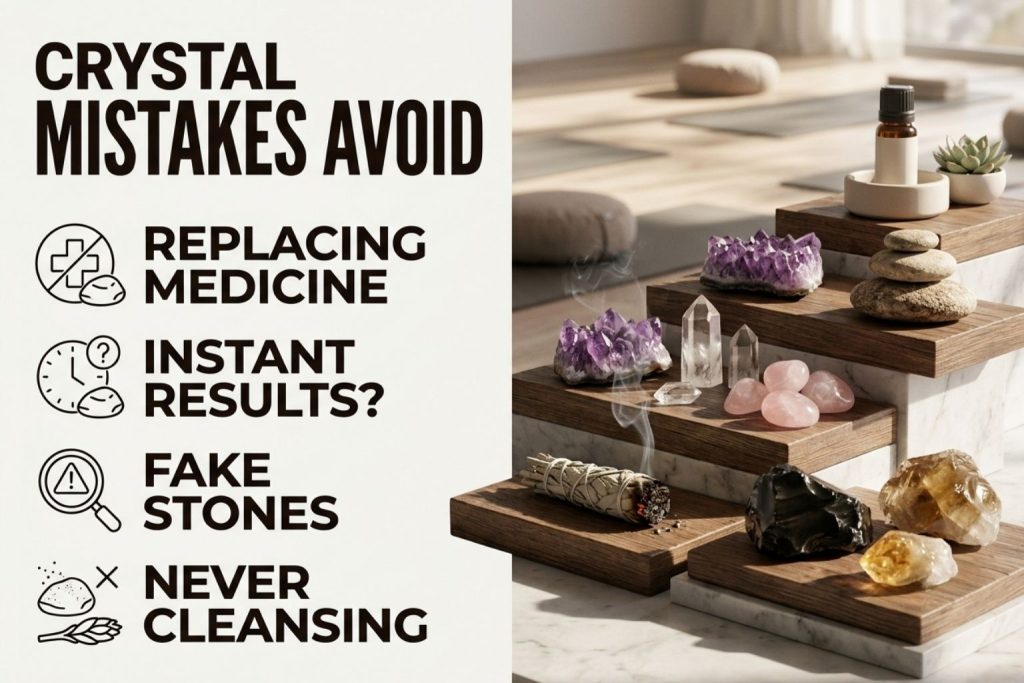
17. Common Mistakes

Crystals for Depression Support

When using crystals for depression support as part of a wellness routine, keep expectations realistic and responsible.

  • Replacing professional treatment with crystals
  • Expecting instant or guaranteed results
  • Buying fake or poorly identified crystals
  • Ignoring professional mental health support
  • Never cleaning or caring for your crystals
  • Using too many crystals without a clear personal intention

Crystals are best used as complementary tools for mindfulness, reflection, and personal rituals rather than as medical treatments.

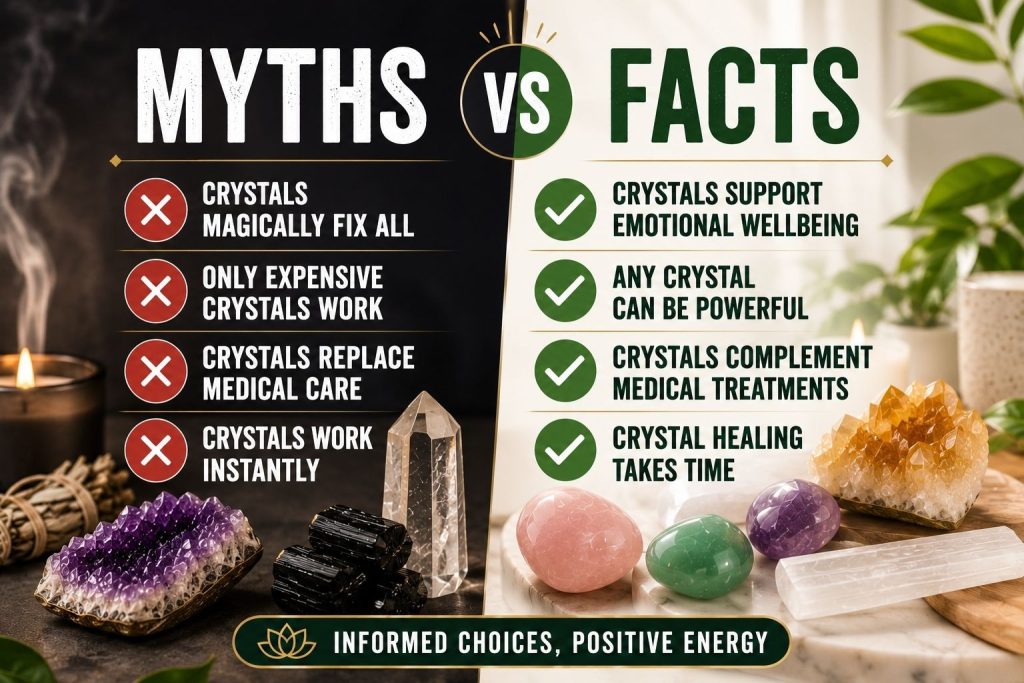
18. Myths vs Facts

Crystals for Depression Support

There are many claims about crystal healing online. Understanding the difference between traditional beliefs and established evidence helps you use crystals more responsibly.

MythFact
Crystals can cure depressionCrystals are not a medical treatment or cure for depression
One crystal works for everyoneCrystal preferences and personal rituals differ
Crystals provide instant resultsThere is no scientific evidence of instant therapeutic effects
More crystals mean better resultsA simple, meaningful practice may be easier to maintain
Expensive crystals are always betterPrice does not prove authenticity or effectiveness
Crystals can replace therapy or medicationProfessional care should not be replaced by crystal practices
Crystals never need physical cleaningJewellery and frequently handled stones should be cleaned appropriately

The best approach is to enjoy crystals for their traditional meanings, beauty, and role in personal wellness rituals while keeping expectations realistic.

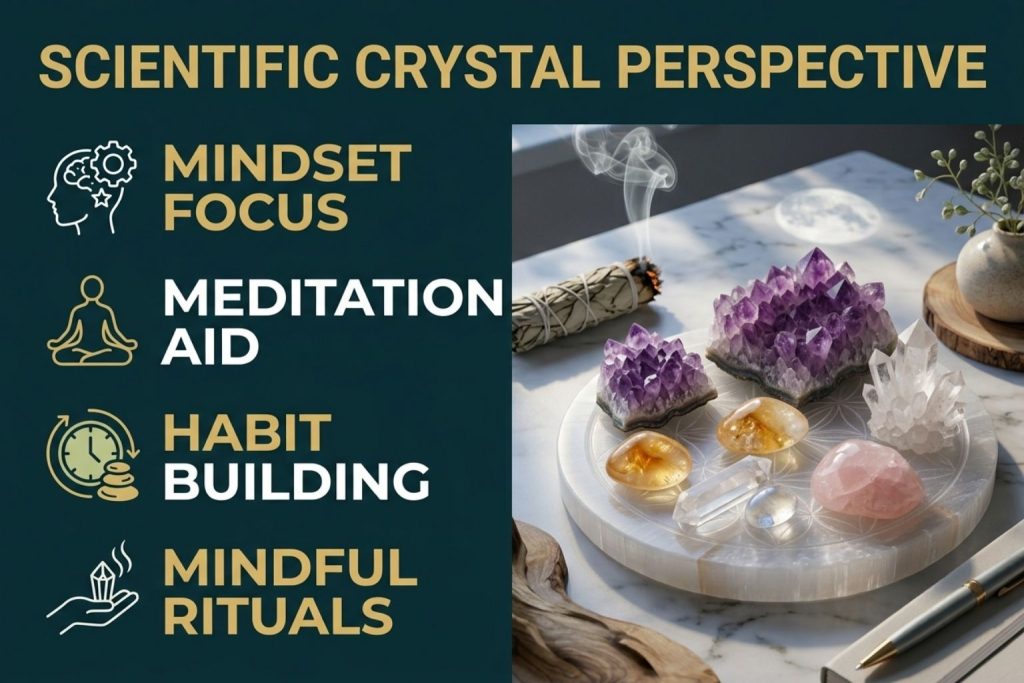
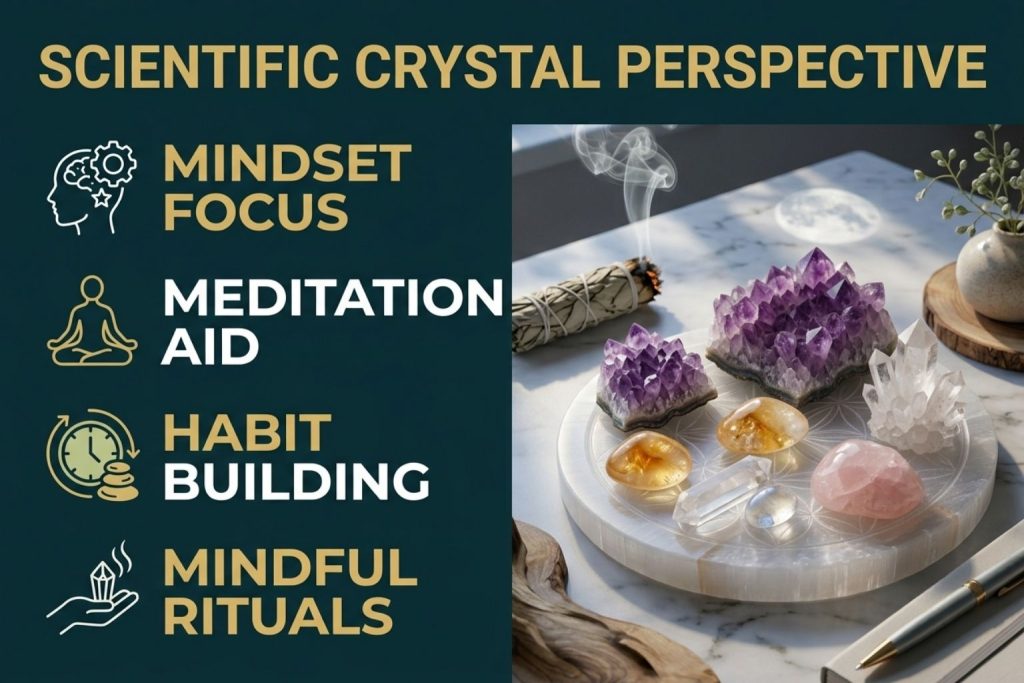
19. Scientific Perspective

Scientific evidence does not show that crystals can treat or cure depression.

Crystals for Depression Support

However, several practices commonly used alongside crystals have been studied for their potential role in supporting emotional wellbeing.

  • Mindfulness — encourages awareness of thoughts and emotions without immediate judgement.
  • Meditation — may help with stress management and emotional awareness.
  • Positive psychology — focuses on strengths, meaning, gratitude, and positive experiences.
  • Journaling — can provide a structured way to reflect on thoughts and emotions.
  • Breathing exercises — may help create a sense of calm during stressful moments.
  • Habit formation — small, consistent routines can make healthy behaviours easier to maintain.
  • Meaningful rituals — personal rituals may provide structure, focus, and a sense of intention.

Current Evidence & Limitations

Research supports several practices such as mindfulness, psychological therapies, exercise, and other evidence-based approaches for mental wellbeing. 

In contrast, there is currently insufficient scientific evidence that crystals themselves provide a specific therapeutic effect for depression.

For this reason, crystals for depression support are best viewed as complementary tools for mindfulness, reflection, and personal rituals rather than medical treatment.

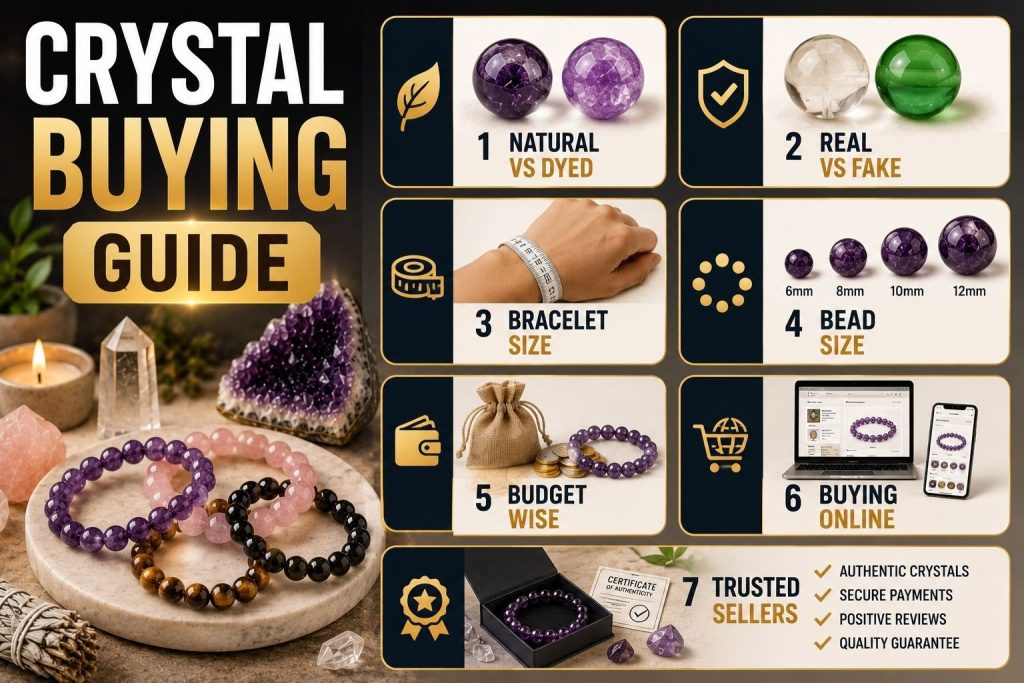
20. Crystal Buying Guide

Crystals for Depression Support

When buying crystals for depression support or general wellness, focus on authenticity, quality, comfort, and a trustworthy seller rather than exaggerated healing claims.

  • Natural vs dyed — some stones are naturally coloured, while others may be dyed or treated. Check the product description before buying.
  • Real vs fake — look for natural variations in colour, pattern, and texture. Be cautious of products that look unusually perfect or make unrealistic claims.
  • Bracelet size — choose a comfortable wrist size that is neither too tight nor too loose.
  • Bead size — 6mm beads offer a subtle look, while 8mm beads are larger and more noticeable.
  • Budget — genuine crystals are available at different prices; expensive does not automatically mean better.
  • Buying online — check clear product photos, stone details, sizing, return policies, and customer reviews.
  • Trusted sellers — choose sellers who clearly identify their crystals, disclose treatments when known, and avoid guaranteed medical or emotional-healing claims.

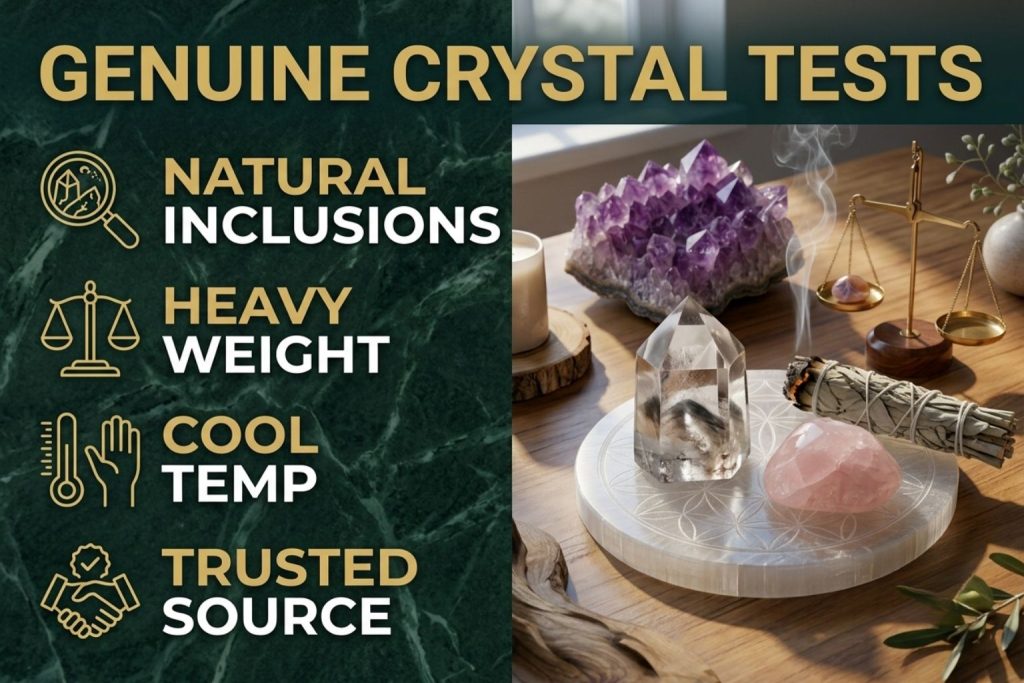
21. How to Identify Genuine Crystals

Crystals for Depression Support

Identifying genuine crystals can be difficult, especially when shopping online. No single home test can confirm authenticity, so consider several factors together.

  • Natural inclusions — genuine stones often show variations in colour, pattern, clarity, or texture.
  • Weight — real minerals may feel different from plastic or resin imitations, although weight alone cannot prove authenticity.
  • Temperature — many natural stones initially feel cool to the touch, but this is not a definitive test.
  • Treatments — some genuine crystals are dyed, heated, coated, or otherwise treated. Reliable sellers should disclose known treatments.
  • Lab reports — for higher-value stones, an independent gemological report can provide stronger verification.
  • Trusted retailers — choose sellers that clearly identify their stones, provide accurate descriptions, and avoid unrealistic claims.

Tip: Perfect colour or appearance does not necessarily mean a crystal is fake, and natural imperfections alone do not prove authenticity. When authenticity matters, seller transparency and professional testing are more reliable than DIY tests.

22. Why Choose Glintaura?

Crystals for Depression Support

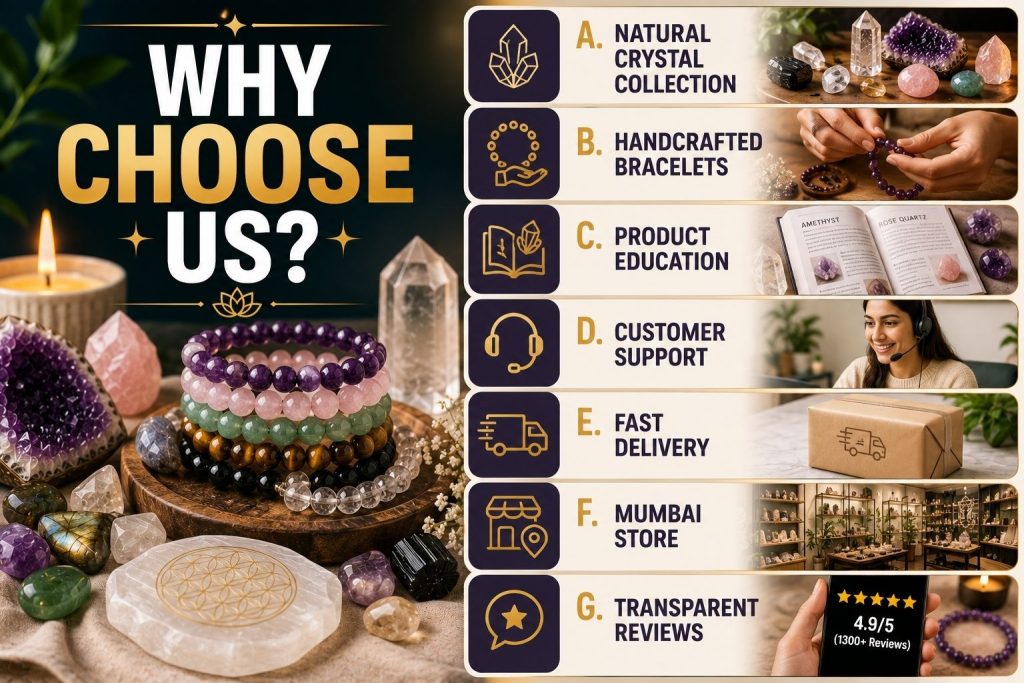
At Glintaura, we make choosing crystals simple, transparent, and convenient. From natural crystal selections to handcrafted bracelets, we focus on quality products, useful guidance, and dependable customer support.

  • Natural crystal collection
  • Handcrafted crystal bracelets
  • Helpful product education and crystal care guidance
  • Responsive customer support
  • Fast dispatch and delivery
  • Physical store in Mumbai
  • Transparent customer reviews

22A. Our Promise to Every Customer

When you shop with Glintaura, you can expect:

  • Carefully selected natural crystals
  • Handcrafted bracelets
  • Secure product packaging
  • Fast dispatch
  • Helpful customer support
  • Easy exchanges
  • Practical crystal care guidance

23. Building a Healthy Emotional Wellness Routine

Emotional wellbeing is supported by consistent, healthy habits rather than any single practice. 

Crystals for Depression Support

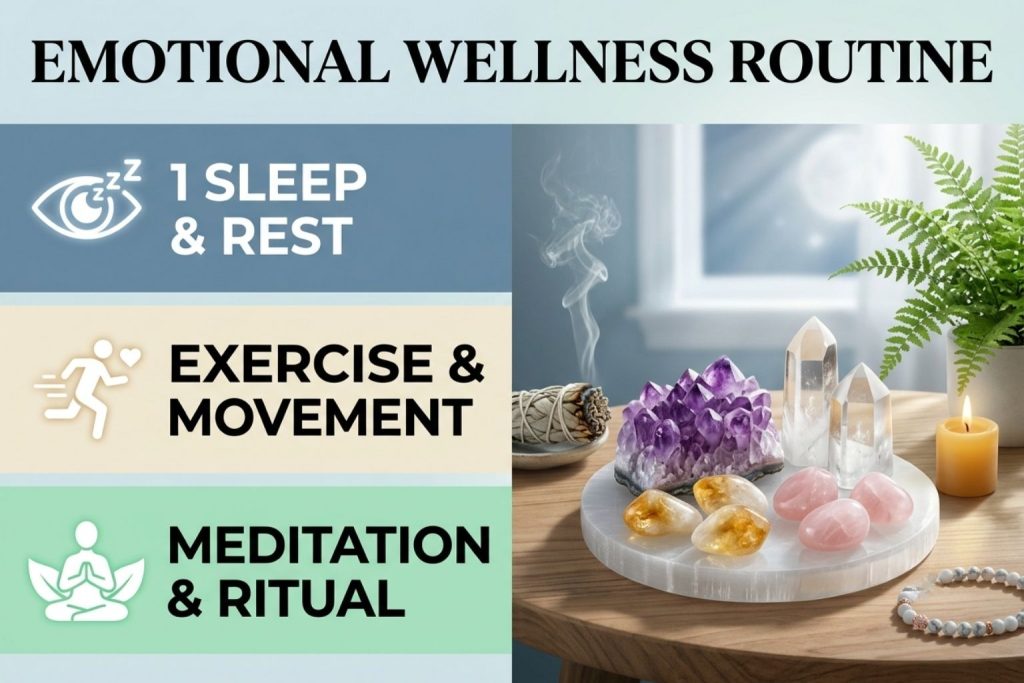
Crystals can be included as a personal ritual, but they work best alongside evidence-based approaches and everyday self-care.

  • Sleep — maintain a regular and restful sleep routine.
  • Exercise — include movement or physical activity you enjoy.
  • Nutrition — eat balanced, nourishing meals regularly.
  • Meditation — take a few minutes to slow down and practise mindfulness.
  • Therapy — seek professional support when needed.
  • Nature — spend time outdoors when possible.
  • Relationships — stay connected with supportive friends and family.
  • Crystal rituals — use crystals for mindfulness, meditation, or intention-setting.

A balanced approach combines physical health, emotional support, meaningful relationships, and professional care when needed.

24. Common Questions About Crystals for Depression Support

A few common questions people have about crystals for depression support, including how they’re used, which crystals are popular, and how they may fit into a mindful self-care routine.

1. Which crystal is best for depression support?

There is no scientifically proven “best” crystal for depression. Traditionally, Amethyst is associated with calm, Citrine with optimism, Rose Quartz with self-love, and Black Tourmaline with grounding. Choose according to your personal intention.

2. Can crystals support emotional wellbeing during depression?

Crystals may be used as part of mindfulness, meditation, journaling, or intention-setting. However, they cannot treat or cure depression and should complement, not replace, professional mental health care.

3. Do healing crystals really work?

There is currently no strong scientific evidence that crystals themselves provide specific therapeutic effects for depression. Some people still find crystal rituals personally meaningful for mindfulness, reflection, and setting intentions.

4. Can crystals replace antidepressants or therapy?

No. Crystals should never replace prescribed medication, therapy, or professional mental health care. They are best viewed as an optional complementary wellness practice.

5. Which crystal is traditionally associated with positivity and hope?

Citrine and Sunstone are popular choices. Citrine is traditionally associated with optimism and motivation, while Sunstone is associated with positivity and confidence.

6. Which crystal is traditionally associated with emotional balance?

Moonstone is commonly associated with emotional balance, intuition, and reflection in crystal traditions. Some people use it during meditation, journaling, or other personal wellness rituals.

7. Which crystal is traditionally associated with self-love?

Rose Quartz is traditionally associated with love, compassion, and self-love. It is commonly worn as a bracelet or used during gratitude, meditation, and self-compassion practices.

8. Which crystal bracelet is best for daily emotional support?

There is no universal best bracelet. Amethyst is popular for calm-focused intentions, Rose Quartz for self-love, Citrine for optimism, and Black Tourmaline for grounding. Choose according to your intention and comfort.

9. Can I wear more than one crystal bracelet at the same time?

Yes. Many people combine crystal bracelets according to their personal preferences and intentions. Popular combinations include Rose Quartz with Amethyst and Citrine with Green Aventurine.

10. How do I choose the right crystal for my emotional needs?

Start with the intention you want to focus on, such as calm, optimism, grounding, self-love, or emotional balance. Then consider the crystal’s traditional meaning, how you plan to use it, and whether you prefer a bracelet, tumble, or raw stone.

11. How do I know if my crystal is genuine?

Look for natural variations in colour, texture, pattern, and inclusions, but remember that appearance alone cannot confirm authenticity. Buy from transparent sellers who clearly identify their stones and disclose known treatments.

12. How should I cleanse and care for my crystals?

The safest method depends on the crystal. Gentle methods such as sound or visualisation avoid direct contact, while water and sunlight can damage certain stones. Always check the specific care requirements of your crystal before cleansing it.

Note: Crystals are complementary wellness tools and are not treatments for depression. Seek guidance from a qualified mental health professional if you are experiencing persistent or severe symptoms.

25. References & Further Reading

To keep this guide accurate and trustworthy, information should be supported by reliable health, academic, and mineralogical sources where appropriate.

Recommended sources include:

  • Peer-reviewed research on depression, mindfulness, meditation, and emotional wellbeing
  • Government and public health guidance on depression and mental health
  • Recognised mental health organisations
  • Universities and academic research institutions
  • Established mineralogical and gemological references for crystal properties

Crystal meanings and chakra associations should be clearly identified as traditional or spiritual beliefs rather than scientifically established treatments.

Note: Health information can change as new research becomes available. Readers should consult qualified healthcare professionals for individual mental health advice.

26. Author, Reviewer & Editorial Policy

Crystals for Depression Support

Written by: Glintaura Editorial Team

The Glintaura Editorial Team creates educational content about crystals, traditional crystal practices, mindfulness, and everyday wellness.

We aim to provide clear, responsible information while distinguishing traditional beliefs from scientifically established evidence.

  • Author: Glintaura Editorial Team
  • Fact-checking: Health-related claims are checked against credible medical, academic, and public health sources.
  • Corrections: We review and update content when reliable new information becomes available or an error is identified.

For health-related articles, we do not present crystals as substitutes for professional diagnosis, treatment, therapy, or medication.

27. Mental Health Support Resources

Depression can sometimes require professional or urgent support. If symptoms become severe, interfere significantly with daily life, or include thoughts of self-harm, seek help immediately.

Crystals for Depression Support
  • Speak with a qualified mental health professional or doctor
  • Look for trusted mental health services in your area
  • In an immediate emergency, contact local emergency services
  • In India, Tele-MANAS provides 24/7 mental health support: 14416
  • Asking for help is an important step toward getting appropriate support

Important: Crystals are not a substitute for emergency, psychological, or medical care. If you are experiencing thoughts of self-harm or feel you may be in immediate danger, contact a qualified professional or emergency service immediately.

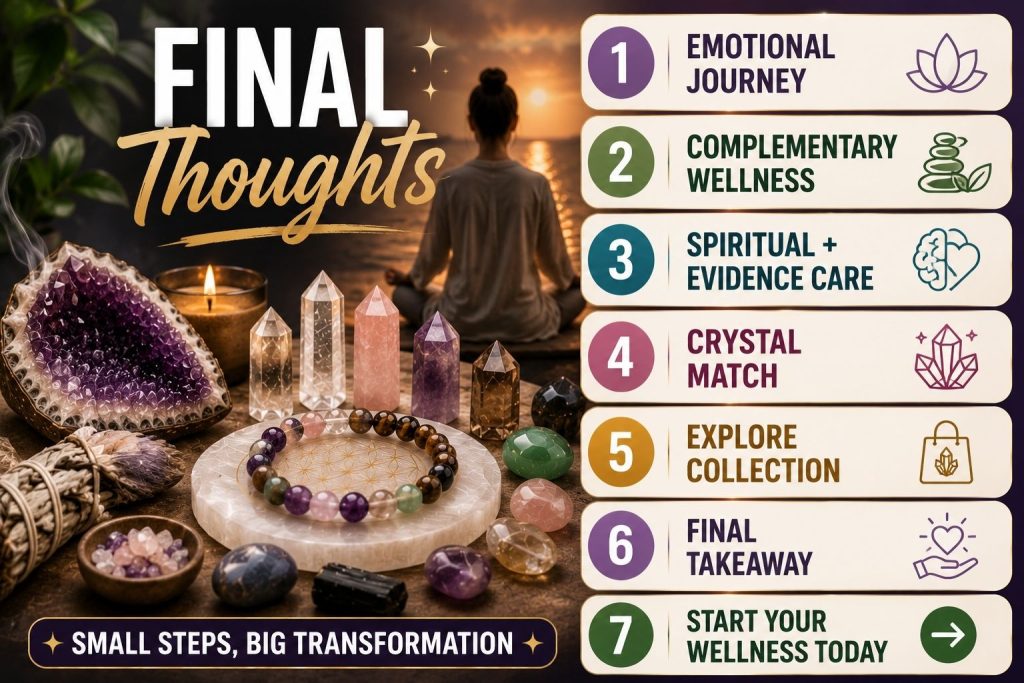
28. Final Thoughts

Crystals for Depression Support

Emotional wellbeing is a journey, and crystals can be a meaningful addition to a balanced self-care routine.

  • Use crystals for mindfulness, meditation, and intention-setting
  • Choose a crystal that matches your personal intention
  • Combine spiritual practices with healthy daily habits
  • Never replace professional mental health care with crystals
  • Focus on consistency, self-care, and meaningful support

Explore Glintaura Emotional Wellness Collection → Shop Now

Leave a Comment

Your email address will not be published. Required fields are marked *

Shopping Cart